

Industries
Mechanical
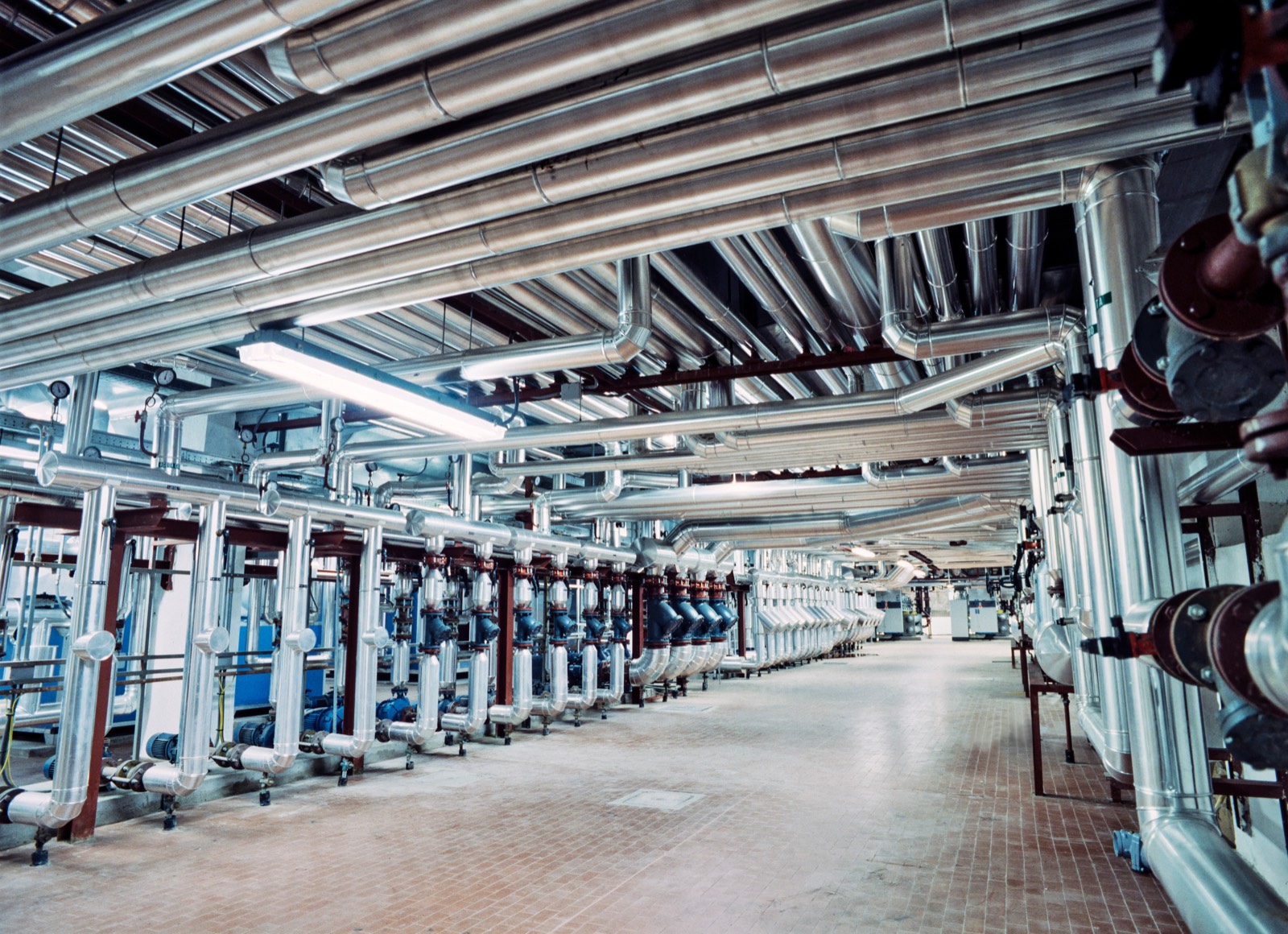
Commercial and industrial mechanical contractors: piping, hydronics, refrigeration, process and building systems, typically delivered through larger projects and supported by service departments.
How the business works
How the business works
Operating characteristics
Mechanical contractors install and maintain the systems that move heat, air, water and process fluids through commercial, institutional and industrial buildings. Work is often larger and more technical than in residential trades, may involve design-build or design-assist roles, and is delivered by crews of pipefitters, sheet metal workers and refrigeration mechanics under experienced project managers.
Revenue models and margins
Most revenue comes from contracted projects, bid or negotiated, with fixed prices, schedules and change orders. Margins depend on estimating, procurement, labour productivity and the discipline of project management. Many firms also operate service departments that maintain the systems they install, which typically earn higher margins and provide steadier work between projects.
Recurring versus project revenue
For a project-driven mechanical contractor, value depends on the quality and continuity of the backlog and on repeat relationships with owners, engineers and general contractors. A growing service department, built on the installed base the company already knows, is one of the most effective ways to add recurring revenue and is closely examined by buyers.
Acquisition and consolidation
Acquirers of mechanical contractors include larger specialty and mechanical firms, multi-trade building services groups, and financial buyers building platforms. They are often attracted by technical capability, customer relationships in specific markets, and the opportunity to expand service revenue on an established installed base.
Ownership transition
Transition planning usually centres on who will estimate and price major work, the release or replacement of personal guarantees on bonding and credit facilities, the treatment of projects in progress at closing, and how long the owner will remain involved to support customer and surety relationships.
What buyers examine
Valuation drivers
Backlog size, margin, customer mix and contract terms
Historical fade or gain between estimated and final job margins
Work-in-progress reporting, over- and under-billings, and retainage
Bonding capacity and the personal guarantees that support it
Depth of estimators, project managers and field supervision
Size and profitability of the service department
The other three industries
Their focus is the acquisition. Ours is your outcome.